
Finance
Valuing an opportunity and making informed financial decisions.

Catalyst @ Penn GSE · powered by Pharos
Unlocking the world of startups and business for the next generation of leaders. For intellectually curious high school students with an interest in business, entrepreneurship and leadership.
Programmes and locations3+ cities · 2026–27
Shanghai (China)
Nov 2026 – Aug 2027For Shanghai American School students
Register interestDubai (UAE)
Spring 2027
Register interestAbu Dhabi
Spring 2027
Register interestLearning journey
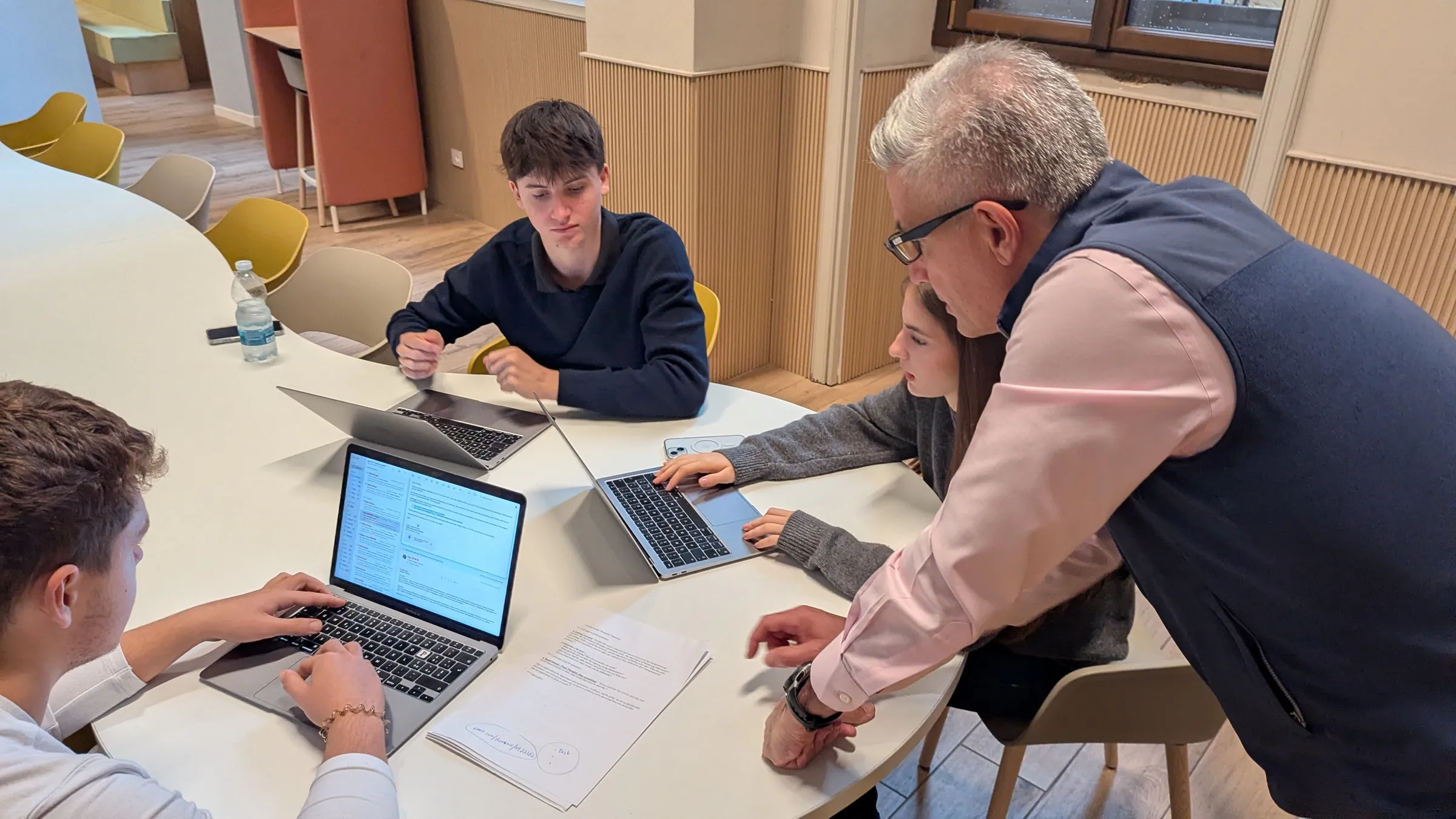
Students are immersed in real business and entrepreneurial leadership. Case studies, interactive workshops and mentorship from working professionals build a genuine foundation in entrepreneurship, business operations and organisational management.
The core disciplines of management, through modules in marketing, operations, finance, people and leadership, and strategy.
Design thinking, business model generation and pitch-deck craft, applied to real-world scenarios.
The human side of management: organisational culture, leadership assessment and strategic congruence.
Guided self-reflection that helps students put their professional interests into words and strengthens their college and career readiness.
Essential business skills14 sample modules
The first half builds the business disciplines every leader needs, each taught through a real company. The second half puts them to work: teams find a problem, test it with customers and build a venture around it.
The modules below are a sample. Readings, cases and the schedule are set for each cohort.
Valuing an opportunity and making informed financial decisions.
Leading teams, building culture and knowing your own style.
Understanding who you serve and how to reach them.
Delivering on a promise, and choosing what not to do.
Part one
How organisations really work
Getting to know the cohort, how the programme works, and a first view of business and entrepreneurship.
Why effective marketing starts with people, not products: who a company serves and the change it wants to make for them. Taught through a real company case.
The trade-offs between cost, speed and quality, and what it takes to deliver on a promise to customers, seen through a company that rebuilt its supply chain.
How companies make financial decisions: discounted cash flow and basic valuation, to judge whether an opportunity is worth pursuing.
How leaders get results through talent, performance and culture. Students take a leadership assessment and leave with a personal development plan.
Reading a company: who it serves, which trade-offs it makes, and why those choices fit together.
A guided conversation with a Penn GSE lecturer on professional interests, college and career.
Part two
A venture of your own
Spotting a real, user-specific problem and stating it sharply, not a solution dressed up as a problem.
Defining a target market large enough to be worth pursuing and small enough to win.
Designing and running customer conversations that get past polite opinions to what people actually do.
Telling a real problem from a solution in disguise, and building the bridge between them.
How ventures turn value into revenue, and the trade-offs behind each model.
The five must-haves: a strong hook, a clear problem and solution, real evidence, a quantified market and a confident close.
Everything comes together in front of a live panel on the final day.
Putting it into practice3 set pieces
01
Students step into a simulated boardroom and use core business frameworks to evaluate a real corporation, answering a mandate from its Board of Directors.
02
Teams bring together everything they have learned to pitch an original venture concept to a panel of professional evaluators.
03
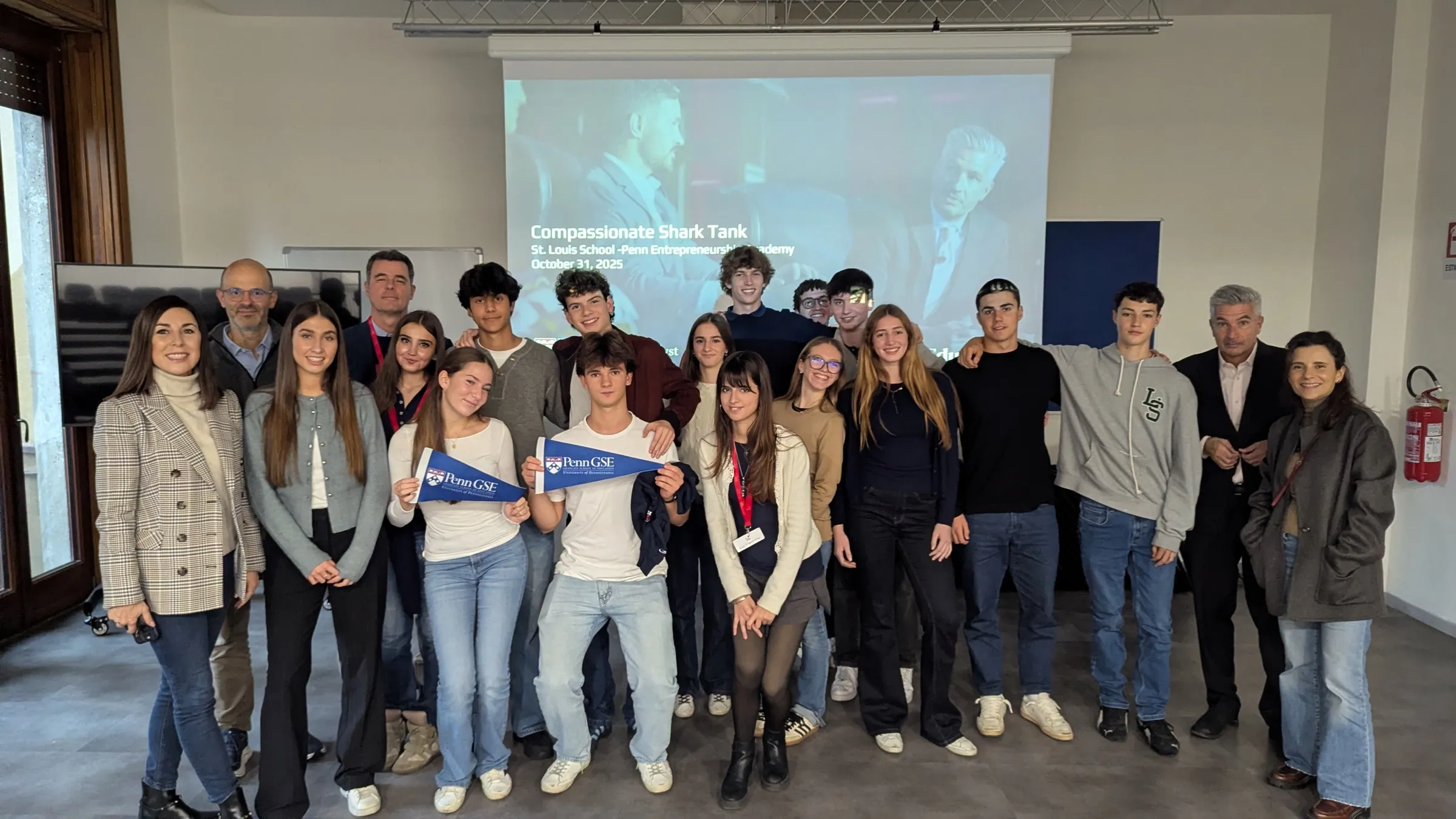
On the final day, teams present their work live to the Catalyst @ Penn GSE Shark Tank panel.
Programme guidePDF
The programme at a glance, the full list of sample modules and answers to the questions families ask most, in one document to read and share.
Thank you
It opens as a PDF. We will also be in touch by email with dates and next steps.
Download the guide (PDF)How students learn
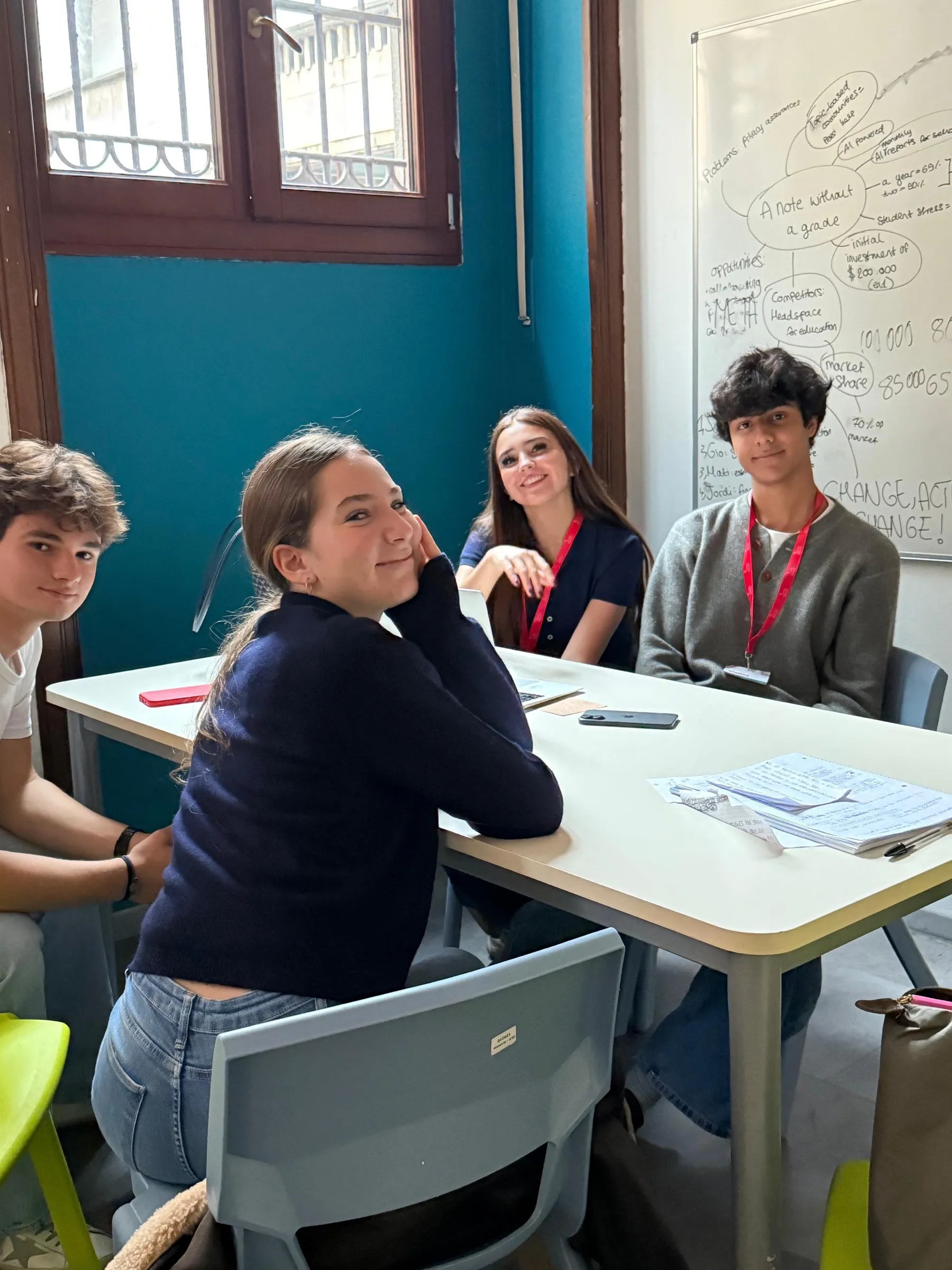
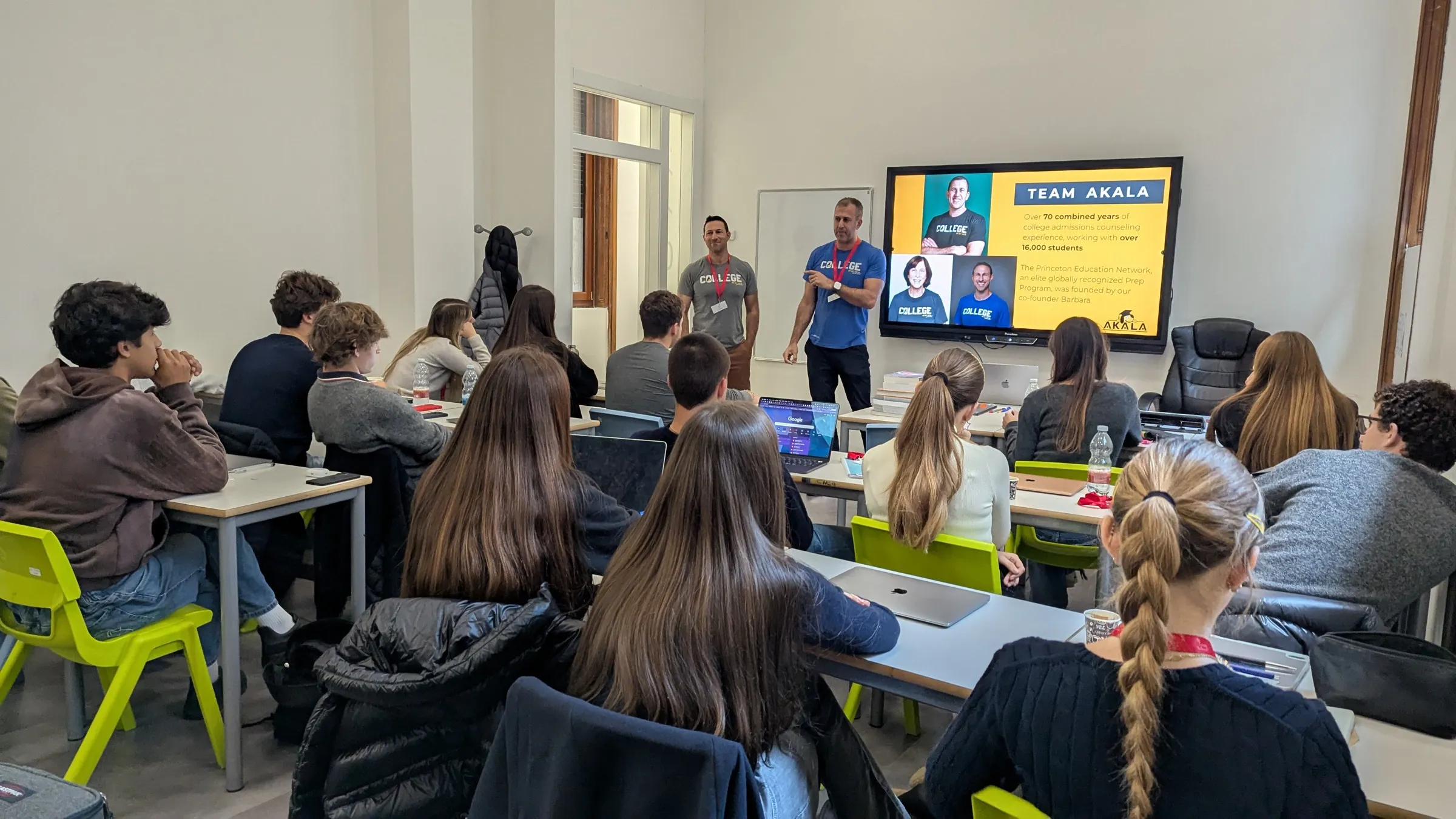
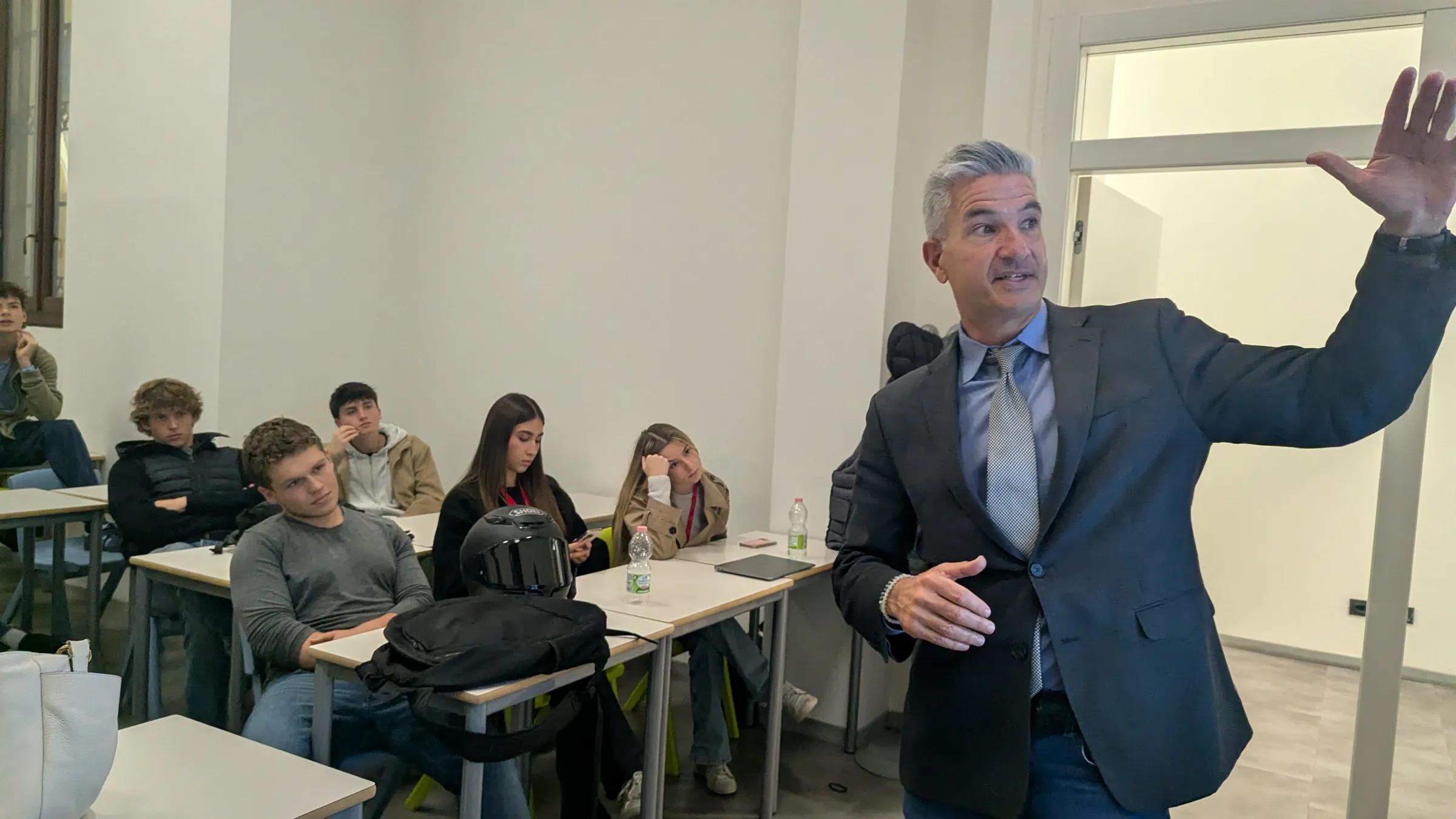
Seminars led by Penn GSE instructors, short readings to prepare, and constant work in pairs and small groups. Students debate ideas, build on each other's thinking and learn as much from their peers as from their instructors.
Three groups support every student: Penn GSE instructors who lead the seminars, Pharos staff who act as business-minded mentors on the ground, and a programme mentor for day-to-day questions.
By the end, students can
Why the Academy
Catalyst @ Penn GSE awards a Certificate of Completion to students who take full part, contribute to their team and present in the final pitch.
A university-designed programme with Penn GSE leaders in entrepreneurship and business, in a college-like environment where students can take risks.
Whether students want to lead organisations, launch startups or go on to university, the Academy prepares them to thrive in a changing global economy.
Student ventures
A startup concept that uses technology, data and autonomous clean-up systems to tackle plastic pollution in the oceans. Chosen as the winning venture at the Shark Tank.
The lead Penn instructors gave me a real perspective on leadership and on building with a purpose.Maximilian, BlueLoop team
A peer-support programme for student wellbeing: students help one another with what they find hard, and AI insights show where help is most needed.
A compact personal-safety device for women: a sound alarm, rolling audio recording that can serve as evidence, and a real-time link to the police, for the moments when a phone cannot be reached.
The Academy taught me more than any book or case study ever could. The process of creating an innovative business idea opened my eyes to possibilities I had never even considered for myself. If you have the opportunity to do this course, seize it.
I've attended multiple summer school programmes, and this has truly been something different. Working with international students, getting insider knowledge from experts that textbooks cannot teach, building skills such as public speaking: the programme had it all.
The world is changing so fast with AI and machine learning. We need to continue teaching the business fundamentals to our youth so they can keep up with learning entrepreneurial mindsets and skills.
Meet the instructors

Director of Innovative Programs, Catalyst @ Penn GSE
John has spent 30 years building companies that change how people learn. A Penn graduate, he co-founded a school-to-home communications platform later acquired by Blackboard. As Entrepreneur-in-Residence at Catalyst @ Penn GSE he mentors education entrepreneurs and directs the Milken-Penn GSE Education Business Plan Competition.
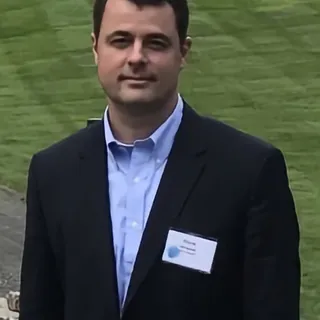
Lecturer, Penn GSE
Dr Serapião teaches counselling, advanced professional development and organisational leadership at Penn GSE. He previously held senior executive roles, including Chief Human Resources Officer at a major retail group in Latin America.
Frequently asked questions23 answers
An immersive, high-impact programme for high school students that develops an entrepreneurial mindset, business fundamentals and leadership skills through real-world application. It is a collaboration between Catalyst @ Penn GSE, the innovation division of the University of Pennsylvania's Graduate School of Education, and Pharos.
It brings together Penn GSE's world-class expertise in how people learn with Catalyst's deep experience in venture creation. Students do not just memorise definitions: they learn entrepreneurship in a way that is ethically grounded and educationally effective.
It depends on the cohort. The Academy runs in person at a partner school or venue, and online. Each cohort listed on this page shows where and when it runs.
The programme is offered in partnership with Catalyst @ Penn GSE, the innovation hub of Penn's Graduate School of Education. The University of Pennsylvania collaborates with education provider Pharos Education to offer the Catalyst @ Penn GSE Entrepreneurship Academy, powered by Pharos. The programme is provided and quality-assured by Penn GSE.
Yes. On successful completion, students receive a Certificate of Completion from Catalyst @ Penn GSE, recognising their part in a rigorous entrepreneurship and leadership experience.
No. It does not provide formal university credit or count towards Penn admissions. It is a high-level enrichment experience that can strengthen a student's portfolio and show initiative to competitive universities.
Penn GSE instructors who work at the meeting point of academia and the startup world lead the seminars. Past instructors include John Gamba, Director of Innovative Programs at Catalyst @ Penn GSE, and Flavio Serapião, a lecturer at Penn GSE.
Highly interactive and case-based: learning by doing. Students do not just sit through lectures. They work in teams to build and refine business ideas, and finish able to pitch their vision with confidence.
About 6 students to each member of the teaching team, which includes Penn-affiliated instructors and programme mentors.
The low ratio makes the experience highly personal. Instructors and mentors work closely with students, giving guidance, feedback and academic support throughout.
Mentors help students go deeper day to day: walking through the material, answering questions one to one, helping teams think through their venture, and preparing them for what comes next.
Both. Entrepreneurship is a team sport: students build individual leadership skills, and much of the programme is collaborative team work on a business concept.
Yes. The small-group format lets students with different levels of experience succeed.
Case studies on the business fundamentals, then two set pieces: the Boardroom Exercise, where students analyse a company as a board would, and the Venture Competition, where teams pitch their own startup ideas in a friendly contest.
Yes. In the Venture Competition, teams pitch their startup ideas to a panel of judges.
In most cohorts, yes: families are invited to the final presentations, in person or online. Each cohort confirms its own arrangements.
Students aged 16 to 18.
None. We look for curiosity, motivation and a willingness to collaborate. An entrepreneurial mindset is useful to a mathematician, a writer and a community organiser alike.
The programme is taught entirely in English. Students need enough English to take part in discussions, follow instruction and work with their peers.
No special devices or materials are needed. A laptop or tablet is strongly recommended for team work.
Beyond a business plan: the ability to think critically, communicate clearly and lead with purpose, skills that serve them at university and throughout a career.
The University of Pennsylvania collaborates with education provider Pharos Education to offer the Catalyst @ Penn GSE Entrepreneurship Academy, powered by Pharos. The programme is provided and quality-assured by Penn GSE.
Talk to us about hosting a cohort, or about a place for your child.